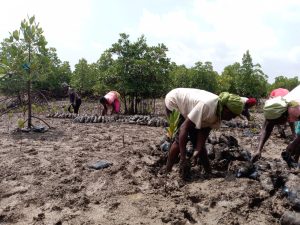
Restoring Our Coasts, One Mangrove at a Time
We are a community-based organization committed to protecting Kenya’s coastal ecosystems, empowering local communities, and creating a sustainable future for generations to come.
Learn
Discover how mangroves protect coastlines, capture carbon, support fisheries, and sustain livelihoods.
Volunteer
Join us in planting mangroves, cleaning beaches, restoring degraded habitats, and engaging communities.
Support
Donate or partner with us to fund seedlings, restoration tools, community programs, and awareness campaigns.
Who We Are
Marine Nature Conservation (MNC) is a dedicated environmental organization committed to the protection, restoration, and sustainable management of mangrove ecosystems. We bring together passionate conservationists, scientists, community members, and global partners to safeguard one of the planet’s most vital natural resources, our mangroves.
Mission Statement
To restore and protect mangrove forests and other coastal ecosystems in Kenya by engaging communities, empowering youth, and promoting conservation through education, research, and restoration programs. Our aim is to enhance climate resilience, reduce coastal erosion, conserve biodiversity, and create sustainable livelihoods.
Our Vision
A thriving Kenyan coastline where healthy marine and coastal ecosystems sustain biodiversity, protect communities, and inspire future generations to be guardians of our natural heritage.
Our Work
What We Are Doing
At Marine Nature Conservation, our work focuses on four interconnected pillars that drive impact
Mangrove Restoration
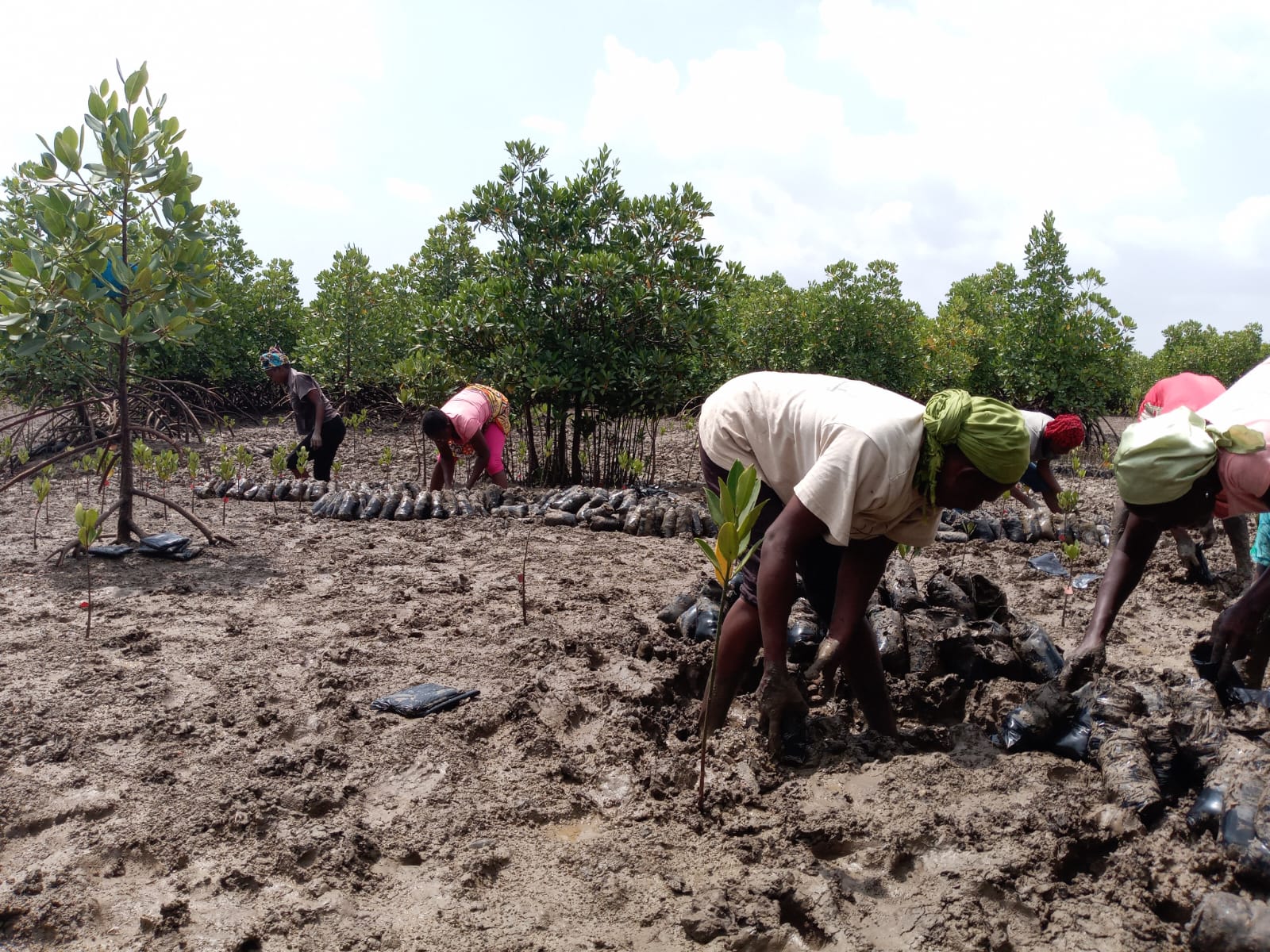
We identify and rehabilitate degraded mangrove areas along Kenya's coastline using science-based planting techniques. Our restoration projects are led by trained community members and volunteers who ensure high survival rates and long-term impact.
Awareness Programs
We partner with coastal schools and community groups to deliver engaging environmental education programs that highlight the vital role of mangroves in sustaining life and livelihoods. Through these initiatives, we aim to inspire and equip the next generation with the knowledge, skills, and passion to become informed and empowered guardians of our natural heritage.
Marine Waste Management
We work with coastal communities to combat marine pollution through regular clean-ups, waste reduction campaigns, and advocacy for responsible disposal practices. By removing plastic waste from mangrove channels and beaches, we protect marine life, restore habitat health, and foster a culture of environmental responsibility.
Monitoring & Climate Impact Tracking
We combine community-based tools and advanced technology to monitor ecosystem recovery, track mangrove growth and survival, measure carbon sequestration, and assess biodiversity. This data-driven approach ensures transparency, improves restoration practices, and strengthens our ability to secure support for scaling our impact.
How We Conduct Mangrove Restoration
Our mangrove restoration process is a carefully managed, science-backed journey designed to ensure maximum survival rates and long-term coastal resilience. By combining local ecological knowledge with structured nursery care, we transform degraded shorelines into thriving marine habitats.
-

Step 1: Substrate Preparation & Species Zonation
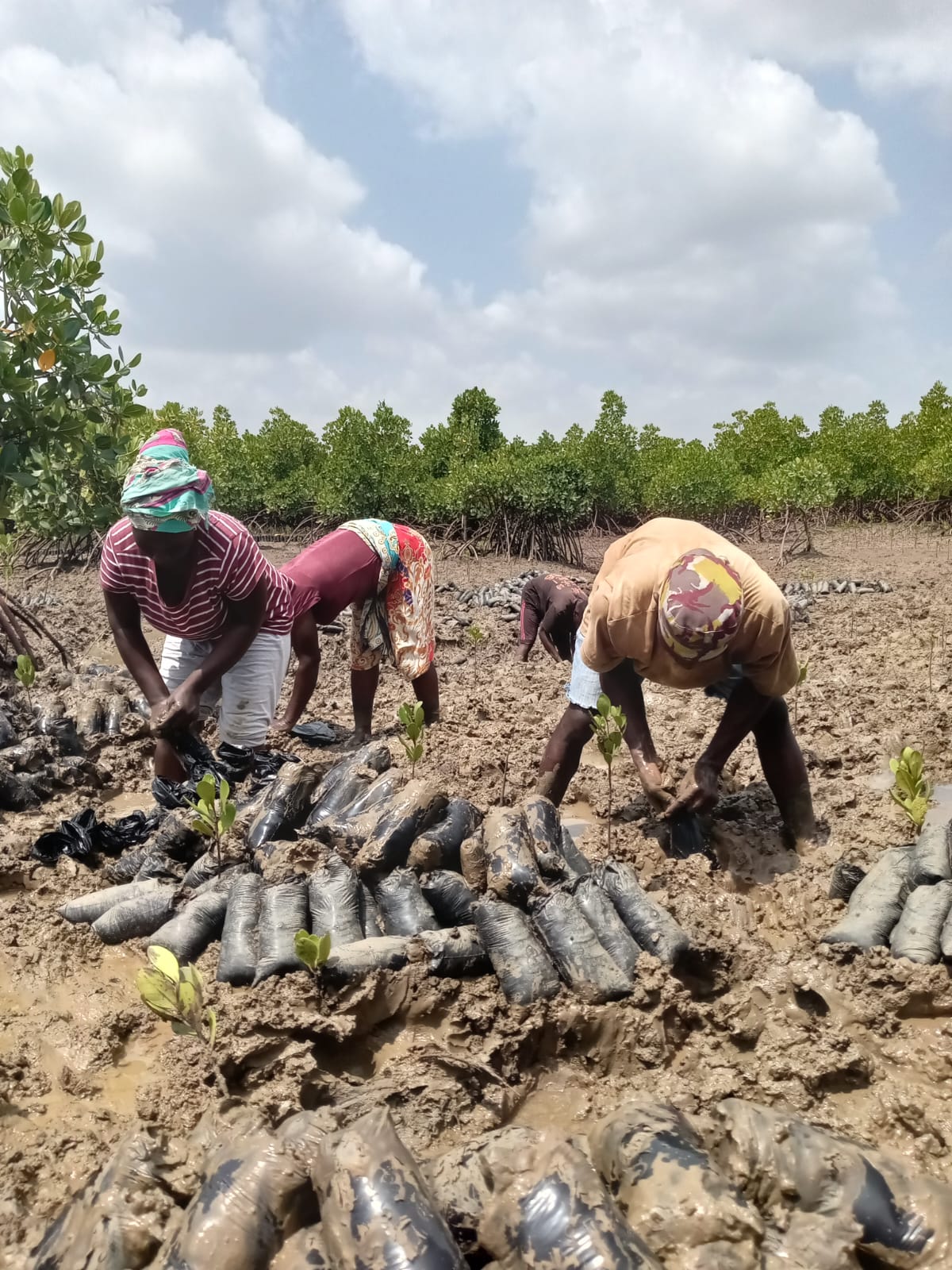
Filling nursery potting tubes with native sediment sourced directly from the specific intertidal zones of the target species: Ceriops tagal, Rhizophora mucronata, and Avicennia marina. This ensures optimal soil chemistry and microbial conditions for high sapling survival during pricking.
-
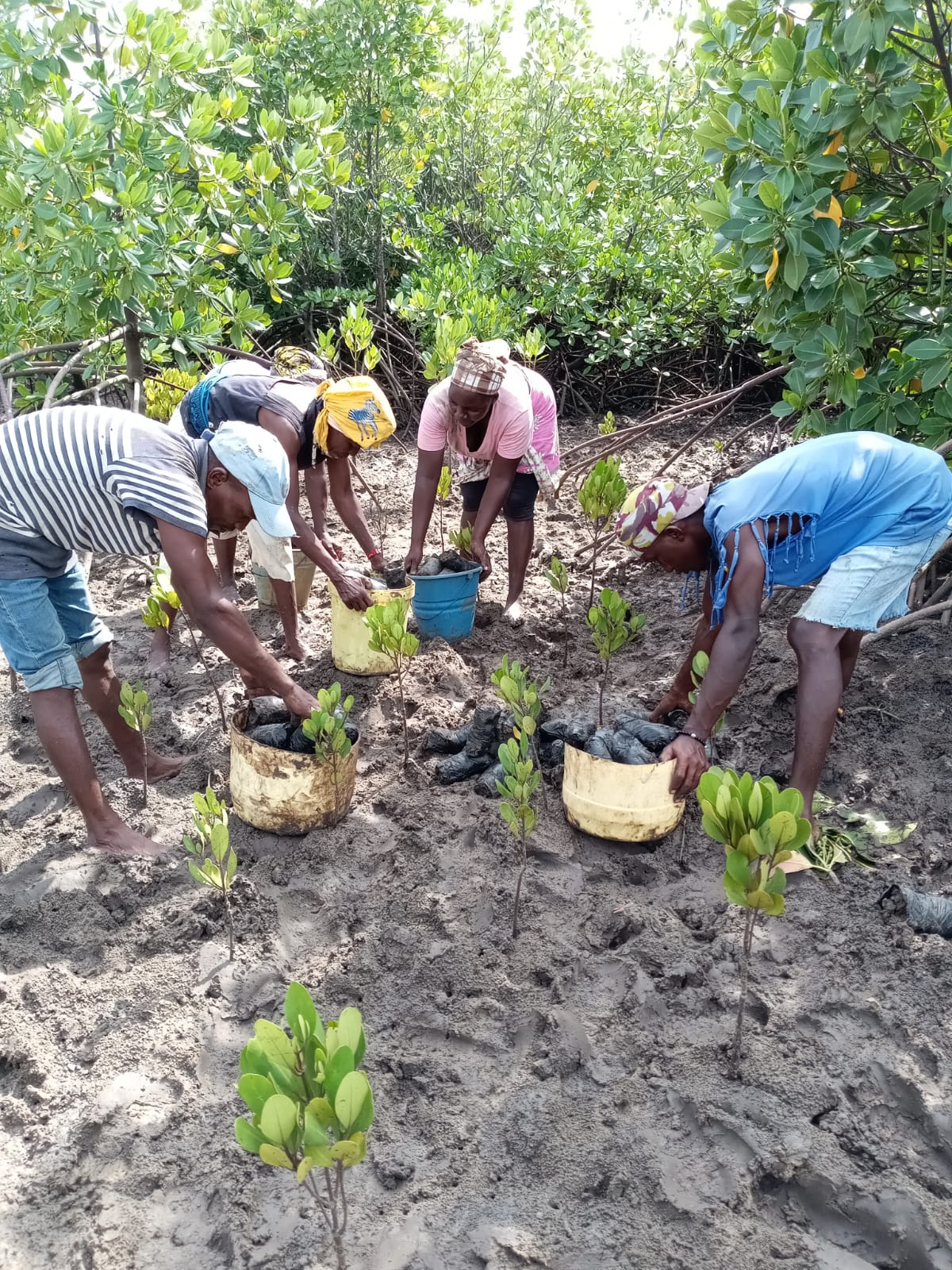
Step 2: Nursery Site Setup & Tube Placement
Transporting filled potting tubes to their designated nursery areas, positioned strategically within the appropriate intertidal zone to provide optimal tidal inundation for each species.
-
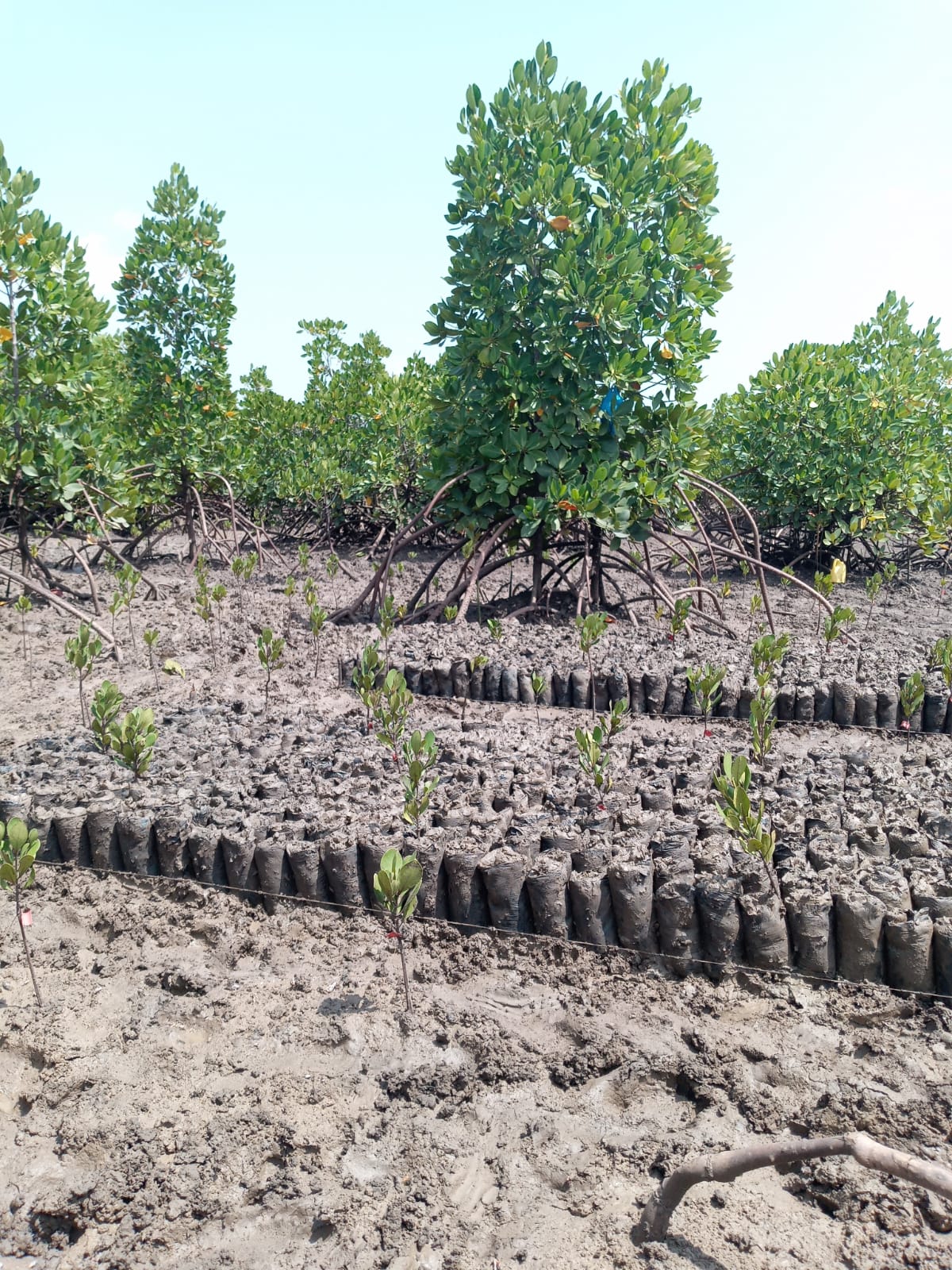
Step 3: Batch Arrangement & Inventory Tracking
Arranging the prepared potting tubes into uniform batches of 1,500 to streamline nursery inventory, simplify seedling counts, and ensure efficient monitoring throughout development.
-
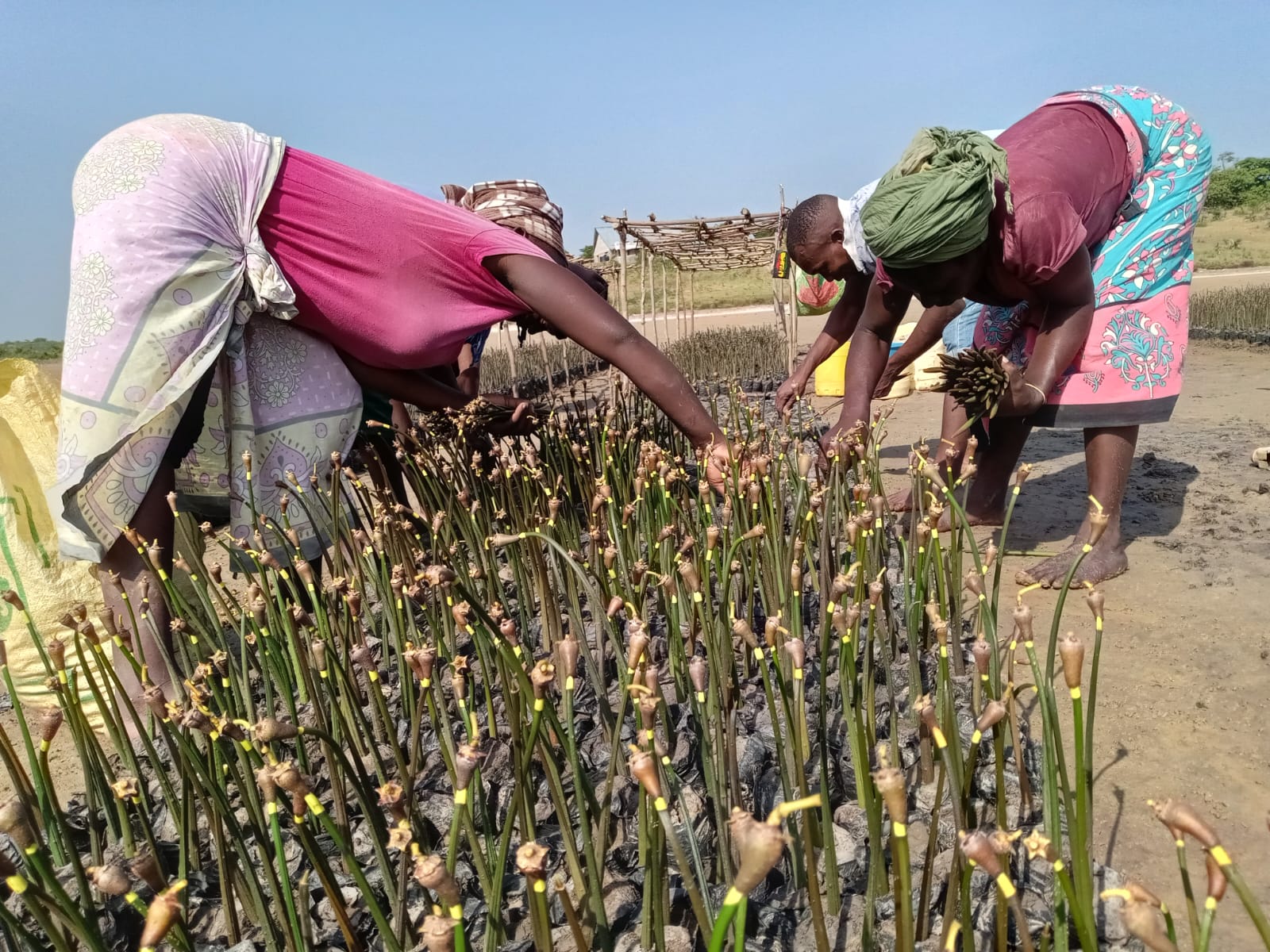
Step 4: Propagule Pricking & Planting
Pricking and planting mature, healthy propagules directly into the prepared potting tubes, placing them securely to encourage strong root development and rapid initial growth.
-
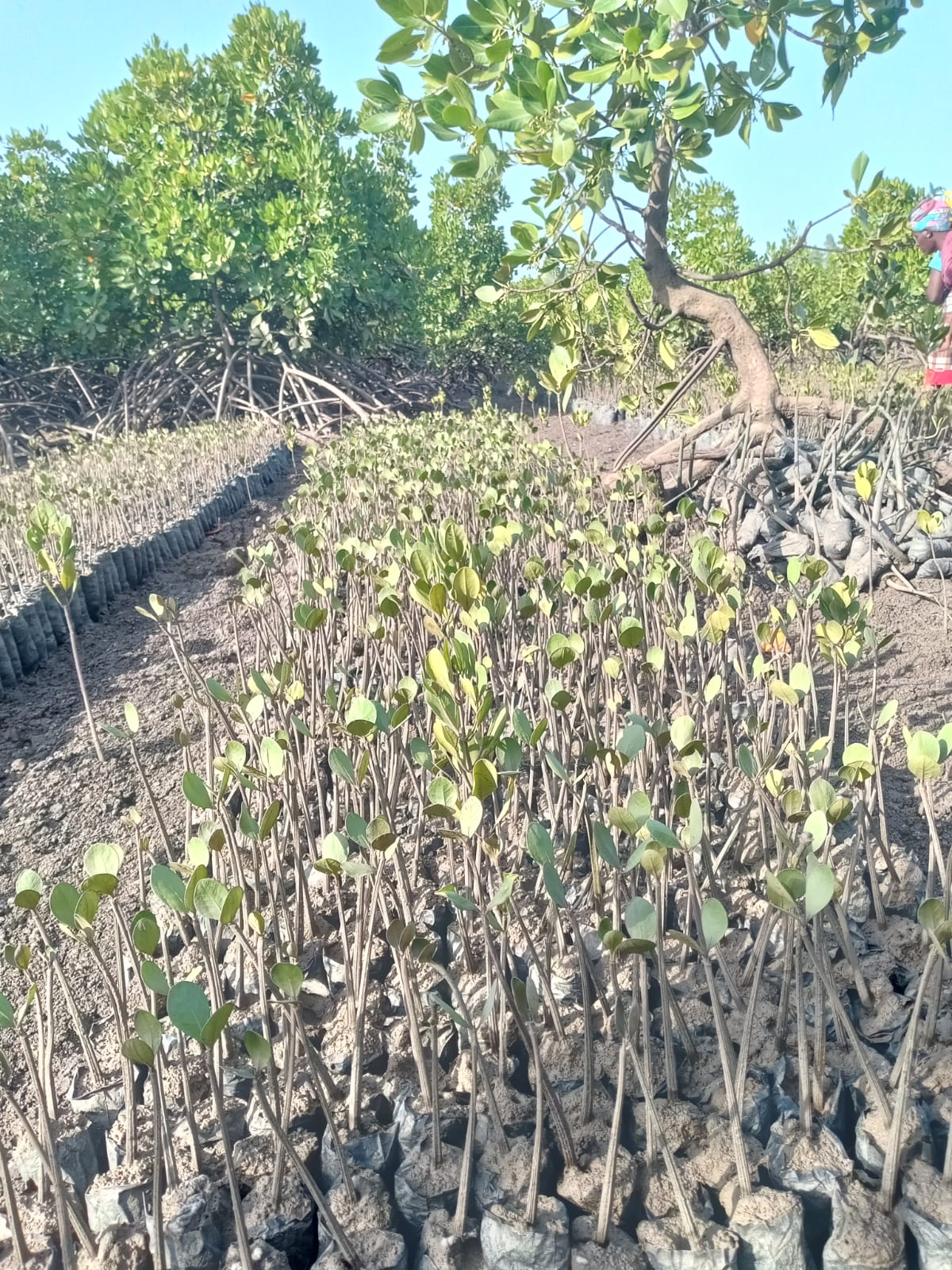
Sapling Maturation & Outplanting Readiness
Nurturing seedlings until they reach full maturity at 3 months, ensuring robust root systems and healthy canopy development so Ceriops tagal saplings are fully prepared for field transplanting.

Meet Our Team

Edwin Mathayo
Founder & Marine Ecologist

Emanuel Soita
Co-Founder & Programs Coordinator

Mwanasha Mwachunga
Monitoring & Evaluation Officer

Latifa Mwinyeheri
Field Officer